Creating a Minimalist Scandinavian Garden at Home
- Mohamed Makarati
- 6 hours ago
- 4 min read
Creating a minimalist Scandinavian garden at home is not just about aesthetics; it’s about embracing simplicity, functionality, and a connection to nature. The Scandinavian design philosophy emphasizes clean lines, natural materials, and a harmonious balance between indoor and outdoor spaces. In this blog post, we will explore how to create your own serene garden oasis that reflects these principles.
Understanding the Scandinavian Design Philosophy
Before diving into the practical steps of creating your garden, it’s essential to understand the core elements of Scandinavian design:
Simplicity: Focus on minimalism and functionality. Each element in your garden should serve a purpose.
Natural Materials: Use wood, stone, and other organic materials to create a connection with nature.
Neutral Color Palette: Stick to whites, grays, and earthy tones to create a calming atmosphere.
Light and Space: Maximize natural light and open spaces to enhance the feeling of tranquility.
Planning Your Minimalist Scandinavian Garden
Assess Your Space
Start by evaluating the area you want to transform into a garden. Consider the following:
Size: How much space do you have? A small balcony can be just as effective as a large backyard.
Sunlight: Observe how much sunlight your garden receives throughout the day. This will influence your plant choices.
Access: Ensure that your garden is easily accessible for maintenance and enjoyment.
Create a Layout
Once you have assessed your space, sketch a simple layout. Here are some tips:
Define Zones: Create distinct areas for different activities, such as relaxation, dining, or planting.
Pathways: Incorporate natural stone or gravel pathways to guide movement through the garden.
Focal Points: Consider adding a central feature, such as a sculpture or a water element, to draw the eye.
Choosing Plants for Your Scandinavian Garden
Opt for Low-Maintenance Plants
Scandinavian gardens often feature hardy, low-maintenance plants that thrive in various conditions. Here are some excellent choices:
Grasses: Ornamental grasses like Miscanthus or Festuca add texture and movement.
Perennials: Choose native perennials such as Echinacea or Sedum for their resilience and beauty.
Shrubs: Consider evergreens like Juniper or Boxwood for year-round greenery.
Embrace the Color Palette
Stick to a neutral color palette with occasional pops of color. Here’s how to achieve this:
White Flowers: Plants like white Astilbe or Snowdrop can create a serene atmosphere.
Greenery: Use various shades of green to add depth without overwhelming the senses.
Accent Colors: Introduce subtle colors through seasonal blooms, such as lavender or pale pink roses.
Incorporating Hardscaping Elements
Use Natural Materials
Incorporating hardscaping elements is crucial for a minimalist Scandinavian garden. Focus on natural materials that blend seamlessly with the landscape:
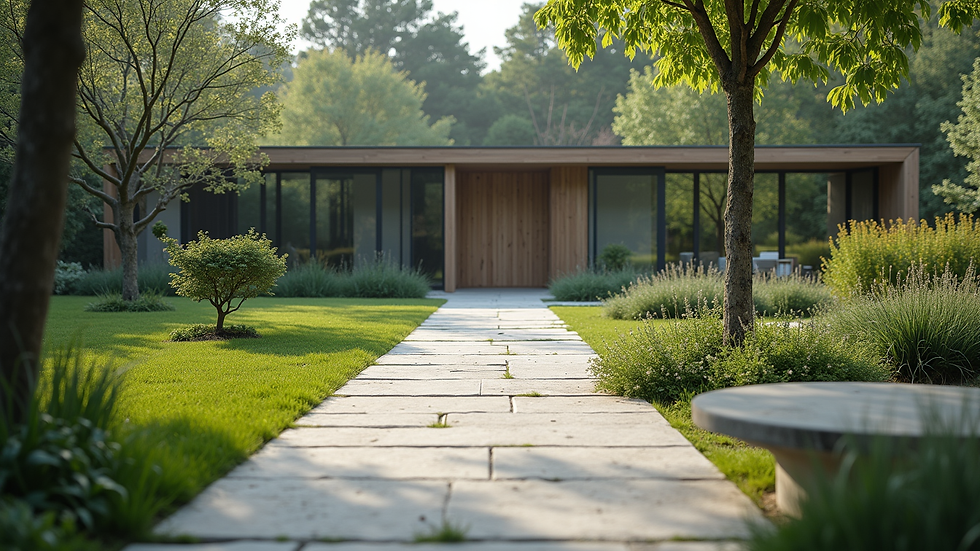
Stone Pathways: Create pathways using local stone or gravel to enhance the natural feel.
Wooden Decking: Consider a wooden deck or patio area for outdoor seating, using untreated wood for a rustic look.
Raised Beds: Build raised garden beds from untreated wood to define planting areas while adding height.
Create Functional Spaces
Design your garden with functionality in mind. Here are some ideas:
Seating Areas: Incorporate simple benches or chairs made from natural materials for relaxation.
Dining Spaces: If space allows, create an outdoor dining area with a wooden table and chairs.
Fire Pit: Consider adding a fire pit for warmth and ambiance during cooler evenings.
Adding Personal Touches
Art and Decor
While minimalism is key, personal touches can enhance the character of your garden:
Sculptures: Choose simple, abstract sculptures that complement the natural surroundings.
Planters: Use minimalist planters made from clay or stone to house your plants.
Lighting: Incorporate soft, warm lighting with lanterns or string lights to create a cozy atmosphere.
Seasonal Changes
To keep your garden dynamic, consider seasonal changes:
Spring: Plant bulbs like tulips and daffodils for early blooms.
Summer: Introduce colorful annuals for a vibrant touch.
Autumn: Incorporate ornamental grasses that change color as the seasons shift.
Maintenance Tips for Your Scandinavian Garden
Keep It Simple
Maintaining a minimalist garden should be straightforward. Here are some tips:
Regular Weeding: Spend a few minutes each week removing weeds to keep your garden tidy.
Watering: Use a drip irrigation system or soaker hoses to minimize water waste and ensure plants receive adequate moisture.
Pruning: Regularly prune plants to maintain their shape and encourage healthy growth.
Seasonal Care
Adjust your maintenance routine according to the seasons:
Spring: Fertilize and prepare your garden for new growth.
Summer: Monitor for pests and diseases, and ensure adequate watering.
Fall: Clean up fallen leaves and prepare plants for winter.
Conclusion
Creating a minimalist Scandinavian garden at home is a rewarding endeavor that allows you to connect with nature while enjoying a serene outdoor space. By focusing on simplicity, natural materials, and thoughtful design, you can create a garden that reflects the beauty of Scandinavian aesthetics. Remember to choose low-maintenance plants, incorporate functional elements, and add personal touches to make the space uniquely yours.
As you embark on this gardening journey, take your time to enjoy the process. Your minimalist Scandinavian garden will not only enhance your home but also provide a peaceful retreat for relaxation and reflection. Start planning today and transform your outdoor space into a tranquil haven.

Comments